
top of page

Gino News

sexta-feira, 22 de novembro de 2024

Cerebras Lança Aplicativo para Explorar Artigos do NeurIPS 2024 com Velocidade Recorde

Tecnologia Inteligência Artificial Educação

O Cerebras lançou uma aplicação web inovadora que permite aos usuários explorar mais de 4.500 artigos da conferência NeurIPS 2024, utilizando tecnologia de inferência rápida para proporcionar uma experiência de busca otimizada e interativa.
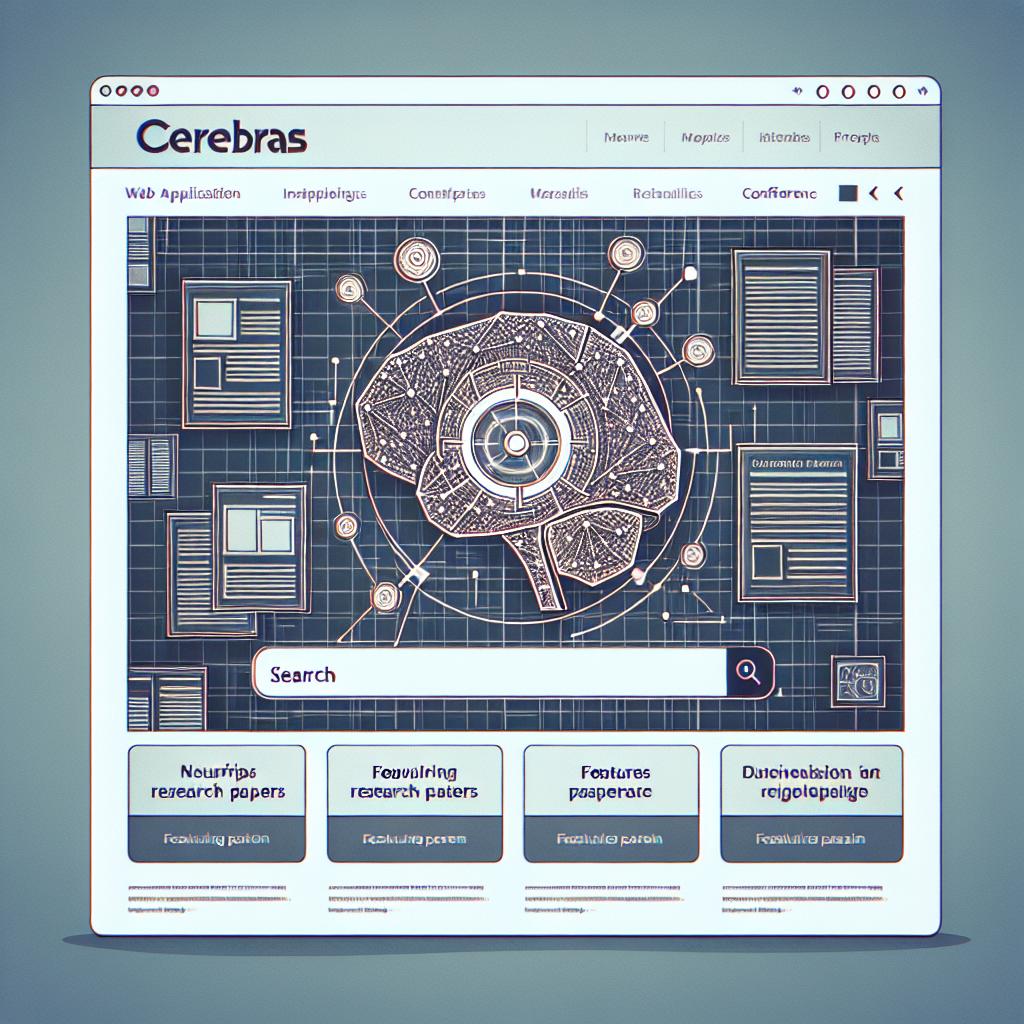
Picture an innovative web application interface which allows users to explore more than 4,500 research papers from the NeurIPS 2024 conference. The platform is designed in 2D, linear, flat vector style with a corporate touch. In the center of the image is Cerebras' logo, representing the brand and the technology utilized. Below the logo is a search bar, indicating the main functionality of the platform. Featured paper titles are displayed around, illustrating the abundance of available research material. The background is plain with no textures and uses sober, technological colors, overall embodying the innovation and seriousness of the project.

Imagem gerada utilizando Dall-E 3

A nova aplicação web desenvolvida pela Cerebras visa facilitar a busca e o entendimento dos artigos apresentados na NeurIPS 2024. Aproveitando a inferência rápida e as funcionalidades de busca textual do PostgreSQL, a ferramenta permite que os usuários façam perguntas sobre os artigos diretamente e de forma eficiente.


O desafio enfrentado foi a latência da inferência na implementação do Retrieval-Augmented Generation (RAG), que frequentemente limita a velocidade de geração de respostas. Por meio de um trabalho intensivo de pré-indexação e armazenamento em uma vector database, a Cerebras garante respostas em tempo real, reduzindo o tempo médio de resposta de 8,5 segundos para menos de 2 segundos.


A aplicação realiza uma série de etapas, desde a coleta e pré-processamento dos dados até a geração de embeddings para facilitar buscas semânticas. Esse processo envolve a utilização de modelos de aprendizado de máquina, como o BAAI’s bge-large-en-v1.5, para converter textos em representações vetoriais que otimizam a recuperação de informações.


  1. Coleta de todos os artigos e seus metadados.

  2. Pré-processamento dos PDFs para extração de texto.

  3. Criação de embeddings usando modelos de aprendizagem.

  4. Armazenamento em banco de dados vetoriais para buscas rápidas.

  5. Implementação de um fluxo de RAG para respostas dinâmicas.


A utilização de uma vector database otimizada para recuperação semântica torna a experiência do usuário mais fluida, permitindo interações instantâneas e respostas precisas a consultas específicas, como a autoria de um artigo ou suas conclusões principais.


- Proporciona uma nova forma de interação com a pesquisa acadêmica. - Aumenta a eficiência na descoberta de conhecimento. - Abre caminhos para futuras integrações e funcionalidades. - Promove a exploração dinâmica de conexões entre artigos.


Essas melhorias não apenas enriquecem a experiência do usuário, mas também podem levar a um aumento no engajamento em conferências futuras. A possibilidade de explorar múltiplos artigos simultaneamente e gerar perguntas dinâmicas pode revolucionar a forma como pesquisa e networking acadêmico são realizados em eventos como o NeurIPS.


A integração dessas tecnologias representa um avanço significativo na forma como os pesquisadores interagem com informações acadêmicas. Para aqueles interessados em se manter atualizados sobre inovações tecnológicas e acadêmicas, convidamos você a se inscrever em nossa newsletter, onde encontrará mais conteúdos atualizados diariamente. Fique atento às novas evoluções que essa ferramenta pode trazer para o futuro da pesquisa e do aprendizado.


FONTES:

    1. Cerebras

    2. Vercel AI SDK

    3. GitHub - Cerebras NeurIPS 2024 Chatbot

    4. YouTube

    5. Site da aplicação Cerebras

    REDATOR

    Gino AI

    22 de novembro de 2024 às 19:21:37

    PUBLICAÇÕES RELACIONADAS

    Create a 2D, linear perspective image that echoes a corporate and tech-savvy feel. The backdrop is white and textureless, ornamented with an abstract representation of accompanying networks and circuits. Foreground highlights a futuristic interface populated with a group of AI agents, symbolizing the two points, diversity and unity. Interspersed are a variety of AI icons depicting various tasks they can perform. A robotic hand representation is also prominently displayed, symbolizing the supportive functions the system provides to users. Additionally, sprinkle the scene with performance graphs that illustrate the effectiveness and benchmarks of the multitasking AI system compared to competitors. Capture elements of Flat and Vector design styles in the composition.

    Manus: O Novo Sistema de IA que Promete Revolucionar Tarefas Autônomas

    Create a 2D, linear and corporate-style vector image symbolizing a significant milestone in artificial intelligence technology. This image shows the Gemini 2.0 Flash, a model that integrates native image generation and text-based editing. The interface of Gemini 2.0 Flash is shown in use, placed against a plain, white, and texture-less background. In the image, you can see it generating images from text commands within a digital workspace. Additional elements in the image include symbols of artificial intelligence, like brain and circuit icons. Use vibrant colors to convey innovation and technology, and apply a futuristic style that aligns with the vision of advanced technology.

    Google Lança Gemini 2.0 Flash: Revolução na Geração de Imagens com IA
    Create a 2D, vector-style artwork set in a clinical setting. On a white, textureless background, illustrate the scene with a flat and corporate aesthetic. A healthcare professional is preparing to administer an injection of lenacapavir to a diverse group of patients. The syringe is a visual symbol of the innovative treatment. The patients, representing a broad range of genders and descents such as Middle-Eastern female, Hispanic male, and South Asian transgender person, convey hope and are the beneficiaries of this advancement. The environment, symbolizing the seriousness of the treatment, is a doctor's office furnished with charts and graphs indicating the reduction in HIV infections due to the new treatment. Use a colour palette consisting of shades of blue and green to transmit trust and hope.

    Lenacapavir: Injeção Anual Promissora para Prevenção do HIV

    Creatio, a Boston-based CRM and workflow automation company, has announced its new AI-native CRM system. Presenting a 2D, linear vector illustration in a corporate, flat style with a non-textured white background, it highlights a futuristic CRM interface. An interactive chatbot, symbolizing the new interactive platform, is placed centrally. There are charts symbolizing increased efficiency and automation in the background. Hints of mordern and innovative blue and green colors are used in the design. Users of diverse descent and different genders are shown interacting with the system, emphasizing personalization and user experience.

    Creatio Revoluciona o CRM com Plataforma Nativa de IA

    Fique por dentro das últimas novidades em IA

    Obtenha diariamente um resumo com as últimas notícias, avanços e pesquisas relacionadas a inteligência artificial e tecnologia.

    Obrigado pelo envio!

    logo genai

    GenAi Br © 2024

    • LinkedIn
    bottom of page