
top of page

Gino News

quarta-feira, 30 de outubro de 2024

Construindo um Sistema RAG Simples: A Nova Fronteira da Geração de Texto com IA

Inteligência Artificial Tecnologia Programação

O artigo apresenta uma abordagem prática para a construção de um sistema de Retrieval-Augmented Generation (RAG) utilizando Python e ollama, ouvindo o crescente interesse no uso dessa técnica na inteligência artificial e em modelos de linguagem. Explora tanto os componentes fundamentais do RAG quanto a implementação passo a passo, destacando a importância dessa tecnologia em aplicações como chatbots e sistemas de resposta a perguntas.
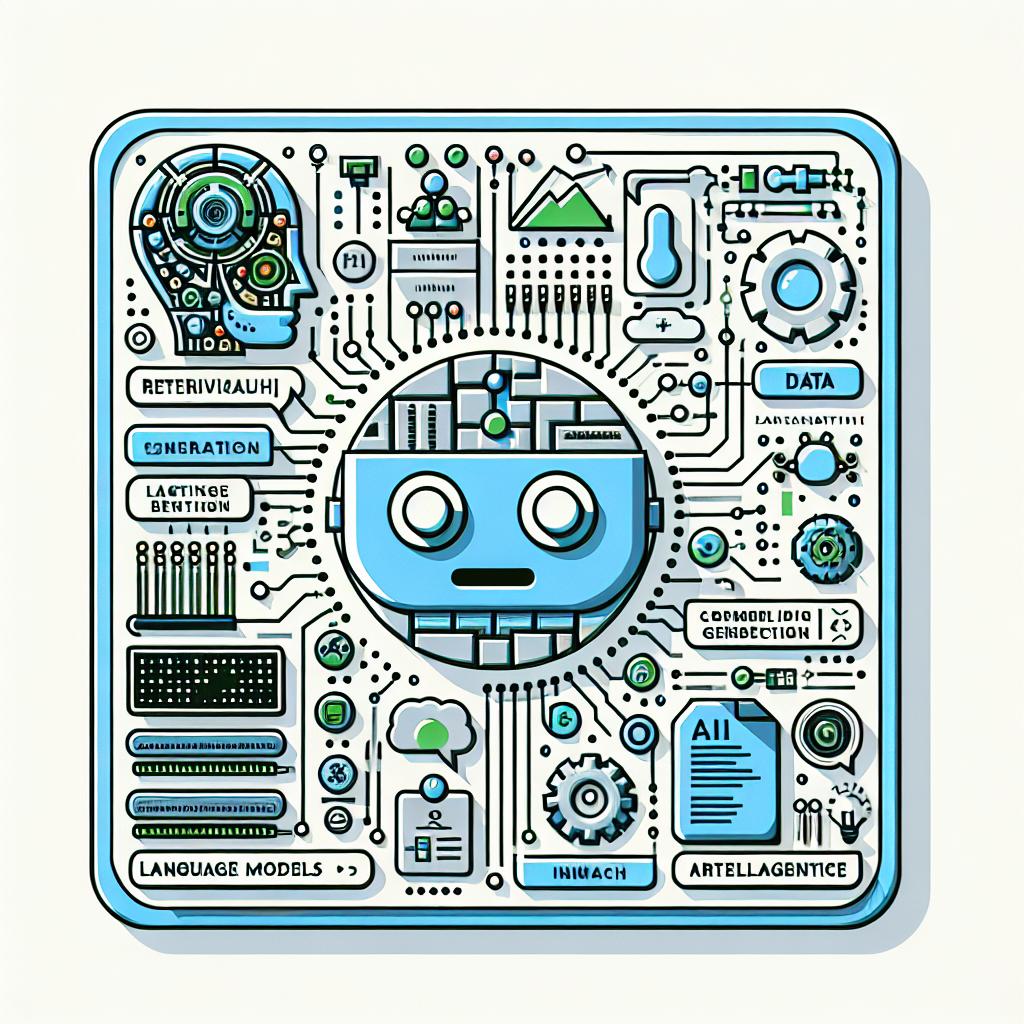
Create an image in a 2D, vectorial, flat, corporate style. The image should represent the construction of a Retrieval-Augmented Generation (RAG) system using elements of data, language models, and chatbot interactions on a white, texture-less background. The umage should have technological elements, such as circuits and programming codes which symbolize the technology involved and represent the practical aspect of implementation. Also, include icons of AI to represent artificial intelligence. Illustrate a chatbot interaction on a screen. The image should primarily use shades of blue and green, colors associated with technology and innovation.

Imagem gerada utilizando Dall-E 3

A Retrieval-Augmented Generation (RAG) tem se tornado uma técnica relevante na área de inteligência artificial, combinando a recuperação de informações com a geração de texto, ampliando as capacidades dos modelos linguísticos. Esta estratégia permite que os modelos acessem fontes externas de conhecimento para oferecer respostas mais precisas e contextualizadas, resolvendo limitações comuns de sistemas que dependem unicamente de dados de treinamento.


O artigo propõe a criação de um sistema RAG básico a partir do zero, oferecendo uma visão prática dos componentes principais envolvidos, que incluem um modelo de recuperação, um modelo de linguagem e um banco de dados vetorial. A implementação é realizada em Python com a ajuda da ferramenta ollama, permitindo que os usuários rodem modelos de linguagem localmente sem a necessidade de servidores externos.


Os passos para a construção do sistema incluem a fase de indexação, onde os dados são fragmentados e representados como vetores, e a fase de recuperação, que utiliza similaridade vetorial para encontrar as informações mais relevantes. Após a recuperação, um modelo de linguagem gera respostas baseadas nas informações recuperadas, exemplificando a eficácia do RAG em aplicações práticas.


  1. Modelo de Embedding - converte texto em representações vetoriais.

  2. Banco de Dados Vetorial - armazena chunks e vetores correspondentes.

  3. Modelo de Chatbot - gera respostas baseadas no conhecimento recuperado.

  4. Fase de Indexação - fragmenta dados e calcula vetores.

  5. Fase de Recuperação - encontra chunks relevantes usando similaridade.


O artigo também discute limitações e áreas para melhorias em sistemas RAG, como o tratamento de perguntas com múltiplos tópicos e a utilização de modelos de reclassificação para aprimorar a relevância das respostas. Além disso, outras arquiteturas de RAG, como Graph RAG e Hybrid RAG, são mencionadas, ressaltando o potencial de evolução desta narrativa dentro da inteligência artificial.


O RAG representa um avanço significativo na melhoria de sistemas de IA, conferindo a eles a capacidade de acessar e integrar informações externas de maneira eficiente. A construção de um sistema RAG básico permite aos desenvolvedores uma compreensão profunda dos conceitos fundamentais por trás da geração de texto assistida por recuperação. Os leitores são encorajados a explorar mais sobre RAG e suas aplicações visitando a nossa newsletter, onde conteúdos atualizados são disponibilizados diariamente.


FONTES:

    1. Arxiv

    2. AWS

    3. Github - llm-server-docs

    4. Github - ollama

    5. Pinecone - RAG Rerankers

    REDATOR

    Gino AI

    30 de outubro de 2024 às 11:23:01

    PUBLICAÇÕES RELACIONADAS

    Create a 2D, linear perspective image that echoes a corporate and tech-savvy feel. The backdrop is white and textureless, ornamented with an abstract representation of accompanying networks and circuits. Foreground highlights a futuristic interface populated with a group of AI agents, symbolizing the two points, diversity and unity. Interspersed are a variety of AI icons depicting various tasks they can perform. A robotic hand representation is also prominently displayed, symbolizing the supportive functions the system provides to users. Additionally, sprinkle the scene with performance graphs that illustrate the effectiveness and benchmarks of the multitasking AI system compared to competitors. Capture elements of Flat and Vector design styles in the composition.

    Manus: O Novo Sistema de IA que Promete Revolucionar Tarefas Autônomas

    Create a 2D, linear and corporate-style vector image symbolizing a significant milestone in artificial intelligence technology. This image shows the Gemini 2.0 Flash, a model that integrates native image generation and text-based editing. The interface of Gemini 2.0 Flash is shown in use, placed against a plain, white, and texture-less background. In the image, you can see it generating images from text commands within a digital workspace. Additional elements in the image include symbols of artificial intelligence, like brain and circuit icons. Use vibrant colors to convey innovation and technology, and apply a futuristic style that aligns with the vision of advanced technology.

    Google Lança Gemini 2.0 Flash: Revolução na Geração de Imagens com IA
    Create an image in a 2D, linear perspective that visualizes a user interacting with a large-scale language model within a digital environment. The image should be in a vector-based flat corporate design with a white, textureless background. Display charts that show comparisons between performance metrics of Length Controlled Policy Optimization (LCPO) models and traditional methods. Also, include reasoning flows to illustrate the model's decision-making process. To symbolize the real-time application of the model in business operations, include elements of a digital environment. Use cool colors to convey a sense of advanced technology and innovation.

    Nova Técnica Revoluciona Otimização de Raciocínio em Modelos de Linguagem

    Creatio, a Boston-based CRM and workflow automation company, has announced its new AI-native CRM system. Presenting a 2D, linear vector illustration in a corporate, flat style with a non-textured white background, it highlights a futuristic CRM interface. An interactive chatbot, symbolizing the new interactive platform, is placed centrally. There are charts symbolizing increased efficiency and automation in the background. Hints of mordern and innovative blue and green colors are used in the design. Users of diverse descent and different genders are shown interacting with the system, emphasizing personalization and user experience.

    Creatio Revoluciona o CRM com Plataforma Nativa de IA

    Fique por dentro das últimas novidades em IA

    Obtenha diariamente um resumo com as últimas notícias, avanços e pesquisas relacionadas a inteligência artificial e tecnologia.

    Obrigado pelo envio!

    logo genai

    GenAi Br © 2024

    • LinkedIn
    bottom of page