
top of page

Gino News

terça-feira, 3 de dezembro de 2024

Desenvolvendo Modelos de Embedding e Reranking em AMD com Infinity

Tecnologia Machine Learning Open Source

Neste artigo, Michael Feil, mantenedor da biblioteca open-source Infinity, apresenta um tutorial sobre como implementar rapidamente soluções de embedding em plataformas AMD, destacando comparações com Nvidia e orientações de otimização, com foco na acessibilidade e desempenho no ambiente ROCm.
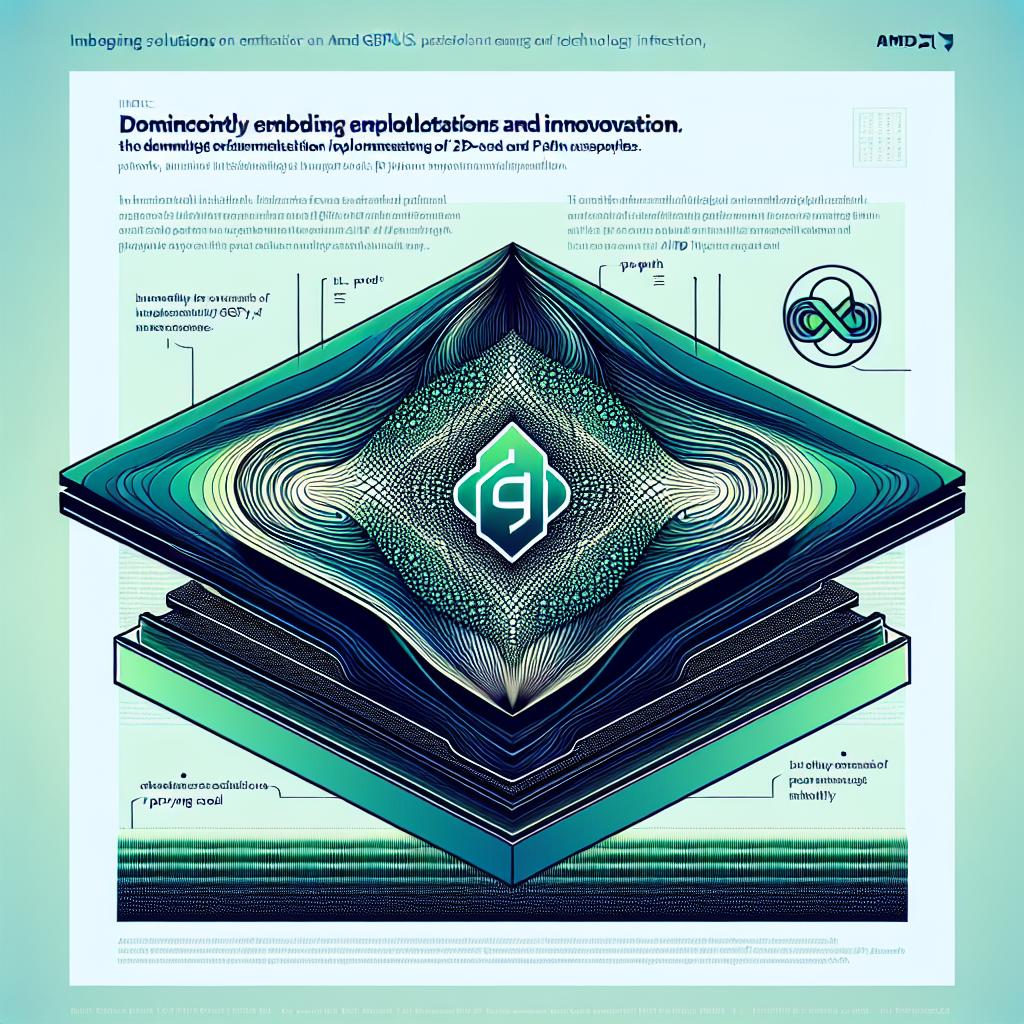
Illustrate a corporate, flat, vectorial image in 2D linear perspective, against a white, textureless background. Centered is a technical graph highlighting the ROCm architecture in AMD GPUs, an integral part of technology integration and innovation. The image is dominated by shades of blue and green. Echoing the dominantly Python-based implementation instructions, the background is subtly imbued with source code in Python. The emblem of the Infinity tool should explicitly be inserted for tool identity reinforcement. This visualizes an elaborate explanation by Michael Feil in an article on embedding solutions on AMD platforms.

Imagem gerada utilizando Dall-E 3

A biblioteca Infinity, comumente utilizada para inferências de modelos de embedding, está sendo adaptada para funcionar eficientemente em GPUs AMD. O autor observa que, apesar do reconhecimento crescente da AMD na comunidade de tecnologia, somente 0.7% dos usuários do Infinity em dezembro de 2024 utilizavam GPUs AMD, o que evidencia um descaso em relação a essas plataformas mesmo frente o potencial de suas capacidades.


Para facilitar a implementação, o artigo fornece um guia passo a passo sobre como executar modelos de embedding na arquitetura AMD utilizando Docker, ROCm e PyTorch. O autor destaca que com um comando simples, é possível instalar o PyTorch com suporte ao ROCm, tornando a instalação mais acessível e rápida.


O artigo é dividido em seções que incluem tutoriais específicos para o uso de modelos de embedding e reranking em ambientes AMD, além de soluções de otimização. As estratégias variam desde o uso de diferentes engines de inferência até técnicas de gerenciamento de recursos de GPU. Também são abordados os desafios enfrentados ao desenvolver soluções para a plataforma AMD, como a necessidade de suporte limitado a certas funções da API do PyTorch.


  1. Utilização do ROCm e PyTorch para instalação simples em GPU AMD.

  2. Execução de modelos utilizando Docker com comandos específicos.

  3. Otimização do desempenho com ajustes de batch size e seleção de engines.

  4. Dificuldades e limitações no suporte das bibliotecas para AMD.

  5. Comparação com soluções similares em GPUs Nvidia.


A seção final do artigo discute as desvantagens do desenvolvimento para AMD, como a ausência de kernels de torção otimizados e o tamanho considerável das imagens Docker. Apesar desses desafios, o autor enfatiza a importância de continuar expandindo a acessibilidade e eficiência da biblioteca Infinity para usuários de GPU AMD.


Em suma, o artigo fornece um recurso valioso para desenvolvedores que buscam implementar modelos de embedding em GPUs AMD, destacando não apenas a viabilidade de tais soluções, mas também as medidas práticas para otimizar seu desempenho. Para mais informações e atualizações sobre tecnologias de machine learning, inscreva-se na nossa newsletter e fique por dentro dos conteúdos mais recentes.


FONTES:

    1. Infinity GitHub

    2. PyTorch

    3. Hugging Face

    4. ROCm Documentation

    5. NVIDIA Toolkit

    REDATOR

    Gino AI

    3 de dezembro de 2024 às 11:56:58

    PUBLICAÇÕES RELACIONADAS

    Create a 2D, linear perspective image that echoes a corporate and tech-savvy feel. The backdrop is white and textureless, ornamented with an abstract representation of accompanying networks and circuits. Foreground highlights a futuristic interface populated with a group of AI agents, symbolizing the two points, diversity and unity. Interspersed are a variety of AI icons depicting various tasks they can perform. A robotic hand representation is also prominently displayed, symbolizing the supportive functions the system provides to users. Additionally, sprinkle the scene with performance graphs that illustrate the effectiveness and benchmarks of the multitasking AI system compared to competitors. Capture elements of Flat and Vector design styles in the composition.

    Manus: O Novo Sistema de IA que Promete Revolucionar Tarefas Autônomas
    Create an image in a 2D, linear perspective that visualizes a user interacting with a large-scale language model within a digital environment. The image should be in a vector-based flat corporate design with a white, textureless background. Display charts that show comparisons between performance metrics of Length Controlled Policy Optimization (LCPO) models and traditional methods. Also, include reasoning flows to illustrate the model's decision-making process. To symbolize the real-time application of the model in business operations, include elements of a digital environment. Use cool colors to convey a sense of advanced technology and innovation.

    Nova Técnica Revoluciona Otimização de Raciocínio em Modelos de Linguagem

    Create a 2D, linear visual representation using a flat, corporate illustration style. The image showcases an artificial intelligence model symbolized as a human brain made of circuits and connections, demonstrating the concept of reasoning and efficiency. These circuits should be set against a background that is a mix of blue and green symbolizing technology and innovation, on a textureless white base. The image must also incorporate a brightly shining light, suggestive of fresh ideas and innovations in the field. The overall color scheme should consist of cool tones to convey a professional and technological feel.

    Redução de Memória em Modelos de Raciocínio: Inovações e Desafios
    Visualize an environment from a revolutionary technological future. This setting showcases interactive robots carrying out daily tasks, symbolizing AI integration with human tasks. These robots interact amicably with humans to highlight potential collaboration. They are designed to follow natural language commands, exemplifying an advance that could transform machine usefulness and efficacy. The background of the image is clean, white, and devoid of texture to keep the focus on the robots and their interaction. The image is in 2D and has a linear perspective. Using flat, corporate vector style reflects simplicity and communicates complex ideas with clarity. The prominent colors are blues and greens, conveying a feeling of technology and innovation.

    Gemini Robotics: O Futuro dos Robôs com a Linguagem Natural do Google

    Fique por dentro das últimas novidades em IA

    Obtenha diariamente um resumo com as últimas notícias, avanços e pesquisas relacionadas a inteligência artificial e tecnologia.

    Obrigado pelo envio!

    logo genai

    GenAi Br © 2024

    • LinkedIn
    bottom of page