top of page

Gino News

quarta-feira, 7 de agosto de 2024

Métodos para Adaptar Grandes Modelos de Linguagem

Tecnologia Inteligência Artificial Ciência de Dados

Neste primeiro post de uma série de três partes, são explorados os métodos para adaptar grandes modelos de linguagem (LLMs) de código aberto a dados específicos de domínio. A publicação oferece orientações para equipes de produtos de IA que desejam integrar LLMs em seus projetos.
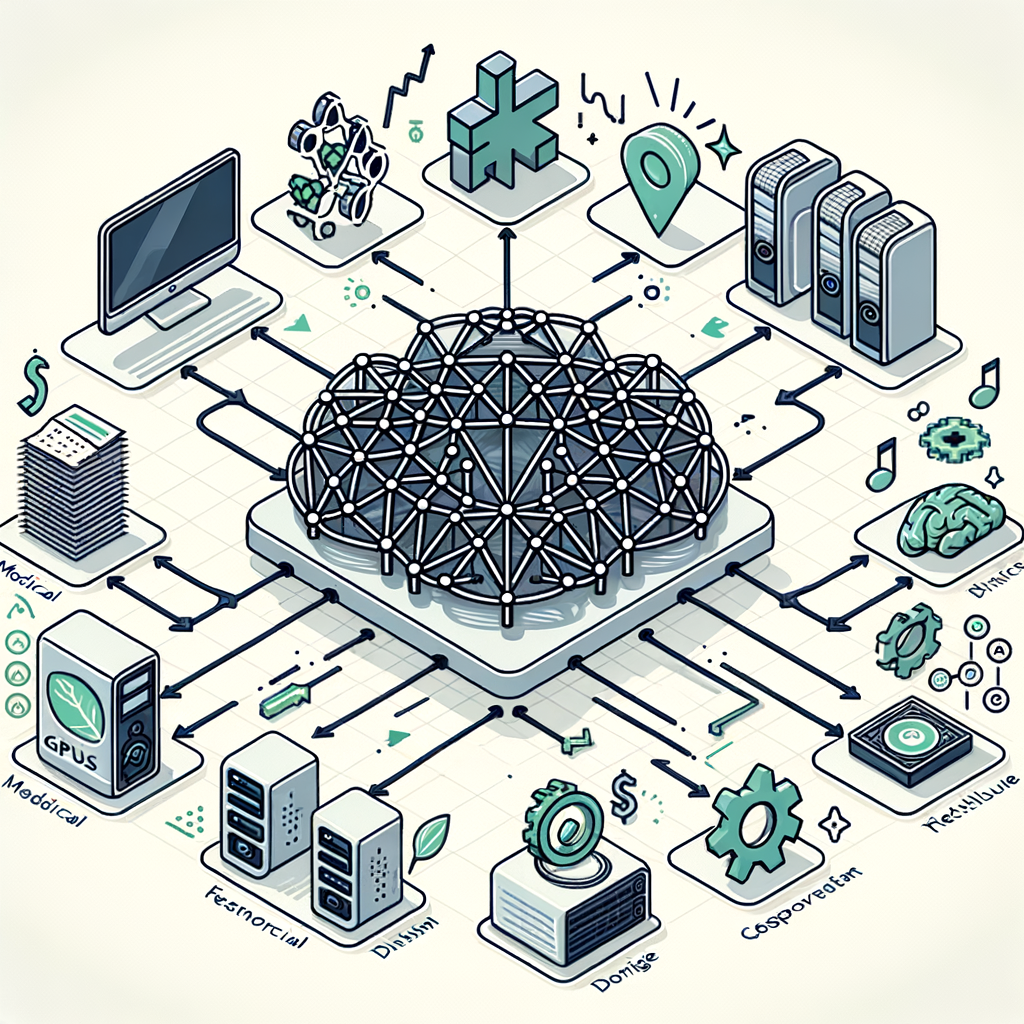
Create a neat, corporate-style vector illustration in flat 2D linear perspective against a plain and untextured white background. The centerpiece of the image is a complex neural network, symbolizing a large language model (LLM). Around this, place icons denoting medical, financial, and technological sectors. These indicate various domain-specific data to which the model may be adapted. Nearby, include illustrations of computers and GPUs, demonstrating the high computational resource usage. Arrows that symbolize the process of fine-tuning and continuous pre-training should be moving from the domain data icons towards the LLM. Lastly, include performance graphics that indicate the improved capabilities of the model after undergoing domain adaptation.

Imagem gerada utilizando Dall-E 3

Modelos de linguagem grandes (LLMs) têm mostrado habilidades excepcionais em diversas tarefas de processamento de linguagem natural. Este artigo fornece uma visão geral das abordagens disponíveis para adaptar LLMs a dados específicos de domínio, começando com a pré-treinamento, que envolve o treinamento de um modelo a partir do zero usando trilhões de tokens de dados, um processo que requer milhares de horas de GPU.


  1. Pré-treinamento: Treinamento do zero usando dados extensivos.

  2. Pré-treinamento contínuo: Treinamento adicional de um modelo base com novos dados de domínio.

  3. Ajuste fino: Adaptação de um modelo pré-treinado usando um conjunto de dados anotado.

  4. Geração aumentada por recuperação (RAG): Adaptação de LLMs adicionando uma base de conhecimento específica de domínio.

  5. Aprendizado em contexto (ICL): Adaptação de LLMs através de exemplos protótipos no prompt.


O ajuste fino, especialmente o ajuste fino eficiente em parâmetros (PEFT), é uma abordagem mais econômica em comparação com o pré-treinamento. Ele requer apenas uma fração dos recursos computacionais necessários para o pré-treinamento, tornando-o viável para equipes com recursos limitados. A geração aumentada por recuperação (RAG) e o aprendizado em contexto (ICL) são métodos adicionais que podem ser utilizados dependendo das necessidades específicas da aplicação.


Para escolher a abordagem certa de adaptação de LLM, é necessário considerar fatores como a capacidade do modelo requerida, custo de treinamento, custo de inferência e tipos de conjuntos de dados. O artigo recomenda começar com métodos simples e aumentar gradualmente a complexidade até que os objetivos sejam alcançados.


A adaptação de LLMs é um processo iterativo que deve começar com métodos simples e evoluir conforme necessário. Compreender as diferentes abordagens e suas implicações pode ajudar as equipes a escolherem a estratégia mais eficaz para suas necessidades específicas, levando em conta os recursos disponíveis e os objetivos do projeto.


FONTES:
  1. Meta AI Blog

  2. Hugging Face

  3. NVIDIA Research

  4. arXiv

  5. NVIDIA Blog

  6. Chat LangChain

  7. Prompt Engineering Guide

  8. ScienceDirect

REDATOR

Gino AI

27 de setembro de 2024 às 20:18:26

PUBLICAÇÕES RELACIONADAS

Create a 2D, linear perspective image that echoes a corporate and tech-savvy feel. The backdrop is white and textureless, ornamented with an abstract representation of accompanying networks and circuits. Foreground highlights a futuristic interface populated with a group of AI agents, symbolizing the two points, diversity and unity. Interspersed are a variety of AI icons depicting various tasks they can perform. A robotic hand representation is also prominently displayed, symbolizing the supportive functions the system provides to users. Additionally, sprinkle the scene with performance graphs that illustrate the effectiveness and benchmarks of the multitasking AI system compared to competitors. Capture elements of Flat and Vector design styles in the composition.

Manus: O Novo Sistema de IA que Promete Revolucionar Tarefas Autônomas
Create an image in a 2D, linear perspective that visualizes a user interacting with a large-scale language model within a digital environment. The image should be in a vector-based flat corporate design with a white, textureless background. Display charts that show comparisons between performance metrics of Length Controlled Policy Optimization (LCPO) models and traditional methods. Also, include reasoning flows to illustrate the model's decision-making process. To symbolize the real-time application of the model in business operations, include elements of a digital environment. Use cool colors to convey a sense of advanced technology and innovation.

Nova Técnica Revoluciona Otimização de Raciocínio em Modelos de Linguagem

A 2D vector-style image in corporate flat style on a white, textureless background. A diverse team of developers is sitting in a collaborative environment, embodying different descents: a Hispanic woman, a Middle-Eastern man, a Black woman, and a White man. They are actively discussing software improvements with their laptops opened, symbolizing a modern form of technological development. Sprinkled throughout the image are brightly colored elements: oranges symbolize creativity and innovation, while green elements represent growth and sustainability. Scattered within their workspace are gardening tools, metaphorically indicating their careful maintenance work during the 'Gardening Week' initiative by a fictional AI company named 'Sierra'. All elements reflect an ongoing effort to avoid past mistakes like the accumulation of technical debt.

A Revolução do Desenvolvimento de Software: A Experiência do Gardening Week na Sierra
Create a 2D, linear visual representation using a flat, corporate illustration style. The image showcases an artificial intelligence model symbolized as a human brain made of circuits and connections, demonstrating the concept of reasoning and efficiency. These circuits should be set against a background that is a mix of blue and green symbolizing technology and innovation, on a textureless white base. The image must also incorporate a brightly shining light, suggestive of fresh ideas and innovations in the field. The overall color scheme should consist of cool tones to convey a professional and technological feel.

Redução de Memória em Modelos de Raciocínio: Inovações e Desafios

Fique por dentro das últimas novidades em IA

Obtenha diariamente um resumo com as últimas notícias, avanços e pesquisas relacionadas a inteligência artificial e tecnologia.

Obrigado pelo envio!

logo genai

GenAi Br © 2024

  • LinkedIn
bottom of page