
top of page

Gino News

terça-feira, 25 de fevereiro de 2025

O Futuro dos Robôs e a Relação Humano-Máquina

Tecnologia Inteligência Artificial Sociedade

O livro 'Robots and the People Who Love Them' de Eve Herold, publicado em 2024, explora a crescente presença de robôs sociais em nossas vidas e suas implicações sobre nossa humanidade em um mundo onde as máquinas estão cada vez mais integradas às relações humanas.
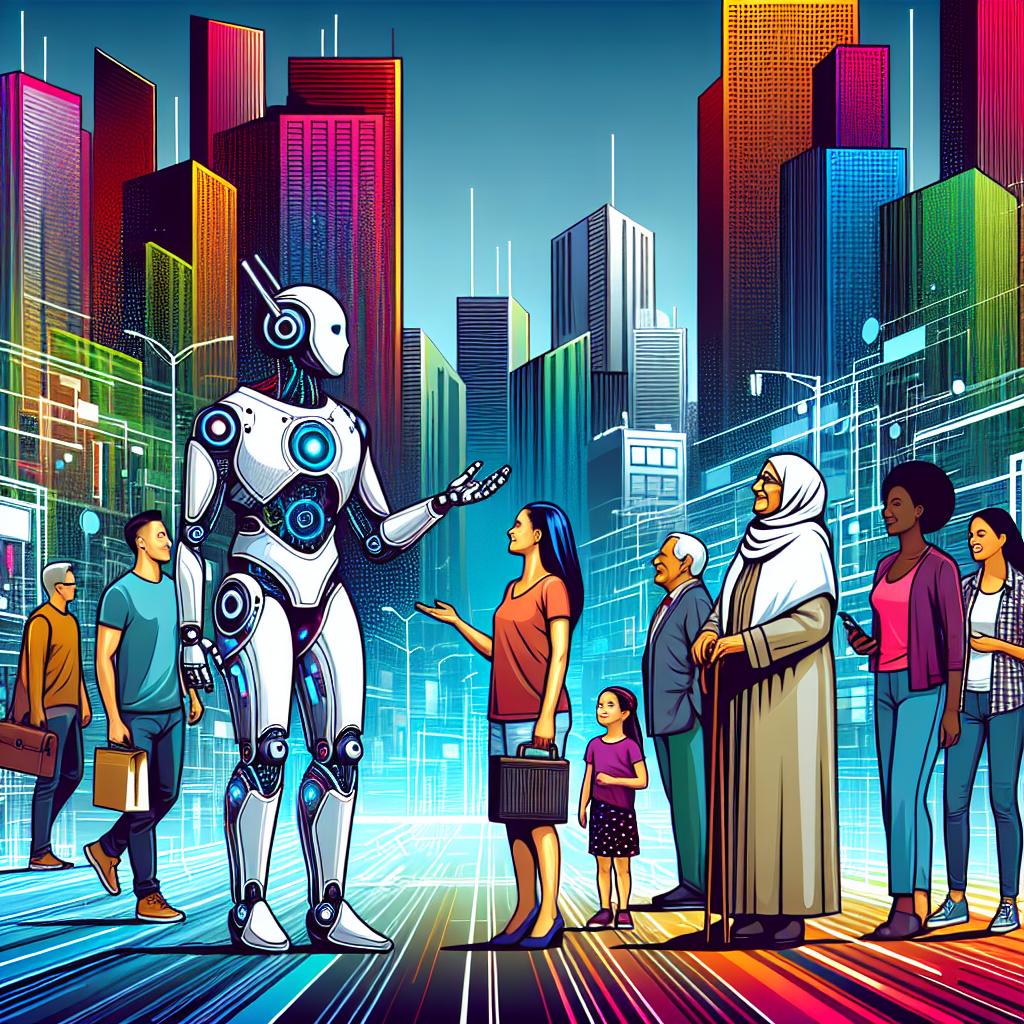
A striking 2D, flat, corporate-style vector image, viewed from a linear perspective, depicting a futuristic, attractive, and friendly robot engaging with a heterogeneous group of individuals in an urban setting. These individuals, expressing curiosity and engagement, show the diversity of our society – including a South Asian male, a Caucasian female, a Middle-Eastern elderly woman, and a young Black teenager. Their interactions occur in a cityscape full of sharp, modern buildings, with hints of advanced technology like mobile devices and digital screens seamlessly integrating into the background. The whole image is drenched in vibrant colors that convey a sense of optimism and anticipation of the future.

Imagem gerada utilizando Dall-E 3

O artigo discute como, apesar da universalidade dos captchas que tentam diferenciar humanos de máquinas, o paradoxo de Moravec, que afirma que tarefas complexas são mais fáceis para máquinas e tarefas simples são desafiadoras, ainda se mantém relevante. As máquinas são excelentes em cálculos e lógica, mas têm dificuldades em habilidades básicas que crianças dominam, como a leitura de emoções.


No livro, Herold argumenta que, com os avanços em machine learning e inteligência artificial, estamos à beira de uma nova era de robôs sociais que nos levará a repensar conceitos de amizade e amor. Exemplos como o robô Pepper ilustram como esses robôs podem se tornar indispensáveis ao reconhecer e responder a emoções humanas, embora sua produção tenha sido descontinuada devido à baixa demanda.


O artigo também critica a visão otimista de que robôs e IA irão automaticamente melhorar nossas vidas. Muitas afirmações feitas por Herold são questionáveis, e a percepção de que estamos nos tornando mais como as máquinas é uma preocupação central. Casilli, em seu livro 'Waiting for Robots', destaca que, na verdade, são os humanos que desempenham papéis cruciais na alimentação e treinamento de sistemas automatizados.


  1. O paradoxo de Moravec explica as dificuldades das máquinas em executar tarefas simples.

  2. Eve Herold discute a nova era dos robôs sociais.

  3. O robô Pepper é um exemplo de como a tecnologia pode imitar emoções humanas.

  4. O livro de Herold é criticado por suas previsões excessivamente otimistas.

  5. Antonio Casilli aponta que a mão de obra humana ainda é fundamental no desenvolvimento de IA.


A análise final sugere que a visão romântica de um futuro repleto de robôs sociais pode ser excessivamente simplificada. Em vez de uma substituição de funções, a automação pode levar a uma fragmentação do trabalho humano como nunca antes, onde as contribuições humanas são escondidas e desvalorizadas.


- Avanços em machine learning estão reimaginando interações sociais. - O papel do ser humano na automação continua invisível. - Desafios éticos relacionados a robôs e suas interações com humanos. - A necessidade de um debate crítico sobre o futuro da automação.


O impacto da automação e dos robôs sociais será significativo e exigirá uma reflexão profunda sobre como esses sistemas moldarão as relações humanas e o trabalho. A crescente interdependência entre humanos e máquinas, além de gerar novas dinâmicas sociais, também levanta questões sobre a ética e a natureza da própria humanidade.


O futuro da tecnologia e da automação está em constante evolução, e a reflexão sobre nossa relação com essas máquinas é mais pertinente do que nunca. É essencial que o público se engaje nesse debate, buscando entender como essas mudanças podem afetar sua vida cotidiana. Para uma análise constante e atualizada sobre o tema, inscreva-se em nossa newsletter e fique por dentro dos últimos conteúdos.


FONTES:

    1. MIT Technology Review

    2. ArXiv

    3. Reuters

    4. Financial Times

    5. Vox ex Machina

    REDATOR

    Gino AI

    25 de fevereiro de 2025 às 20:24:50

    PUBLICAÇÕES RELACIONADAS

    Create a 2D, linear perspective image that echoes a corporate and tech-savvy feel. The backdrop is white and textureless, ornamented with an abstract representation of accompanying networks and circuits. Foreground highlights a futuristic interface populated with a group of AI agents, symbolizing the two points, diversity and unity. Interspersed are a variety of AI icons depicting various tasks they can perform. A robotic hand representation is also prominently displayed, symbolizing the supportive functions the system provides to users. Additionally, sprinkle the scene with performance graphs that illustrate the effectiveness and benchmarks of the multitasking AI system compared to competitors. Capture elements of Flat and Vector design styles in the composition.

    Manus: O Novo Sistema de IA que Promete Revolucionar Tarefas Autônomas

    Illustrate a corporate, flat and vectorial scene: A man, who is an education official, in a press conference on March 13, 2025. The focus of the press conference is the discussion of the need to regulate artificial intelligence. The education official is emphasizing points about responsible use and regulation of artificial intelligence. The backdrop is white and without texture, keeping it simple and professional. To further symbolize the collaboration among different sectors, display generic logos that represent different areas of government. Display also a screen showing data about artificial intelligence, showcasing the technical basis of the discussion. Add graphical elements related to technology to enhance the theme of artificial intelligence.

    Camilo Santana Propõe Discussão sobre Regulamentação da Inteligência Artificial
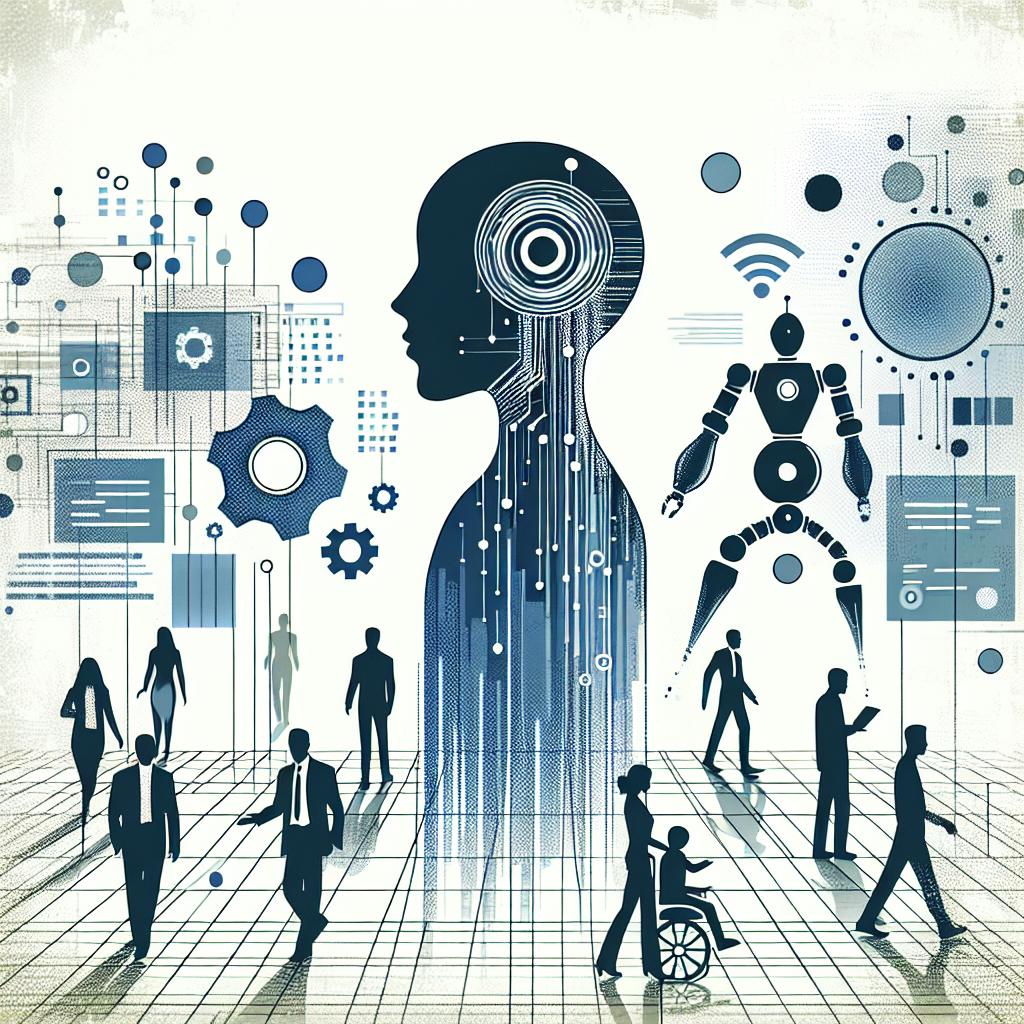
    Create a flat, corporate-style, vector image. The setting is Mar 9, 2025, and it captures the concept of AI agents integrating with the business environment, symbolizing the transition from an app-based world to a more dynamic and fluid environment. The background of the image is textureless and white. The perspective is 2D and linear. Additional elements include sober colors like blue and gray to convey a sense of technology and modernity, silhouettes of robots and humans interacting to represent collaboration between AI and users, and floating graphics and data symbolizing the fluidity of real-time information.

    A Revolução do Software: Como a IA Está Transformando o Mercado
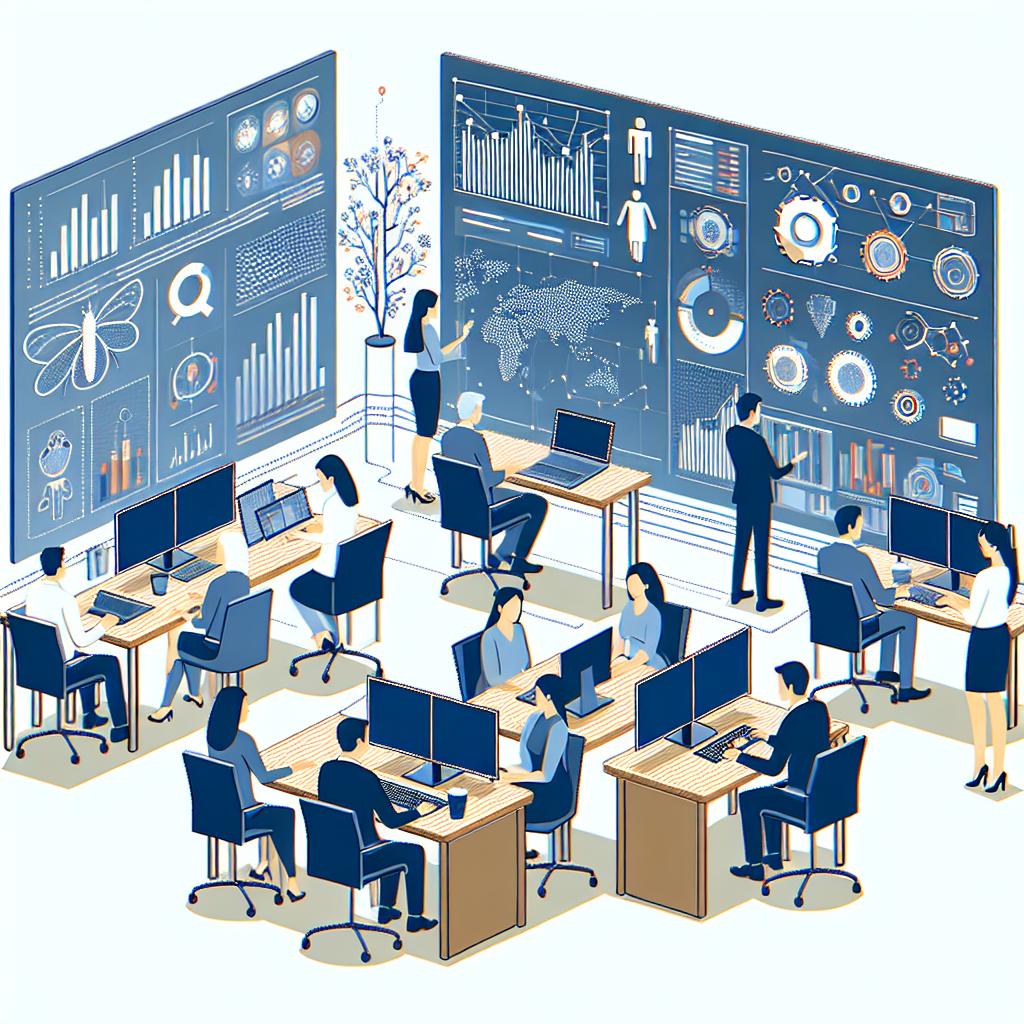
    Generate a 2D, vector-style, flat, and corporate image that depicts a modern office setting. In this setting, a diverse team of professionals are at work, focused on screens that display charts and AI-related data. Make sure to portray an atmosphere of collaboration and innovation, symbolizing the impact of technology on business operations. The elements in the image should include data charts on screens, a diverse team of professionals, elements of technology like laptops and tablets to represent AI tools, and environment of a modern office. Let the background be plain and white, and void of any textures.

    O Futuro das Empresas com Ferramentas de AI Generativa

    Fique por dentro das últimas novidades em IA

    Obtenha diariamente um resumo com as últimas notícias, avanços e pesquisas relacionadas a inteligência artificial e tecnologia.

    Obrigado pelo envio!

    logo genai

    GenAi Br © 2024

    • LinkedIn
    bottom of page